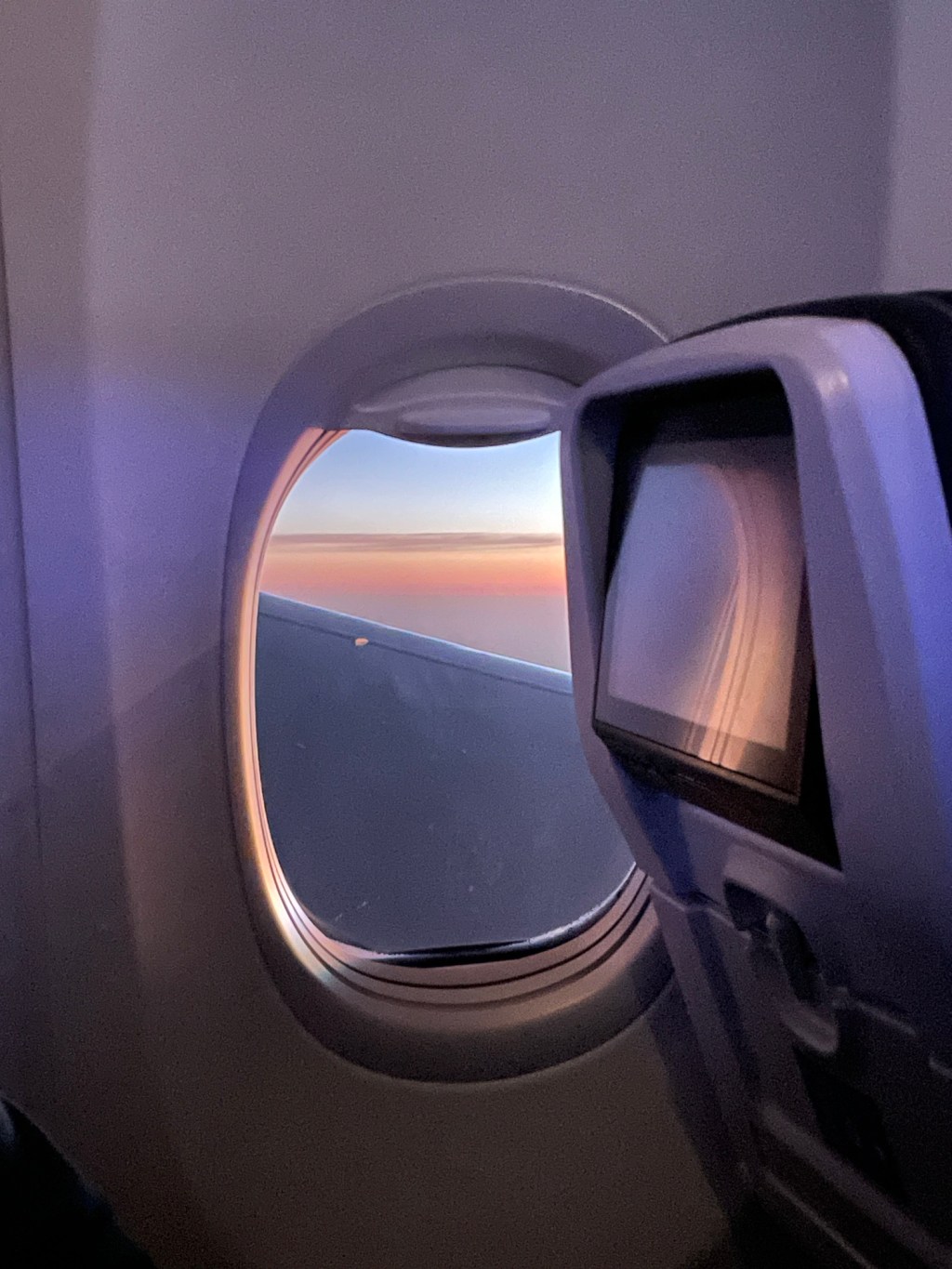
There is a reason why we pursue a new life in a foreign land: It’s born of hope for something better beyond the horizon.
It’s not to say that the choice is always ours. Sometimes, it is a wave of change that forces us out of where we were (in my case, a marriage that’s waited and prayed for) because what we desire will not be possible without some sort of movement. We ride the tide, and it carries us through to what’s next.
Somehow, the entry of a fresh season allows hope to permeate our lives little by little. We cultivate positive expectations of how we will be led by fate through a journey of transformation, and we suppose that we will come out like butterflies: colorful, full of vitality, freed out of the hypothetical cocoon so as to be launched into society anew.
The immigration experience is not necessarily pain-free. The journey is rife with the constant feeling of not belonging anywhere.
The act of leaving one place is a complex and noteworthy process on its own. It occurs with the untangling of ties, delineating what it means to be an individual as opposed to a citizen belonging to a state or culture. First, it comprises of never-ending hurdles, mountains of binder-bound paperwork to prove their own worthiness to government entities. Why this legal going-away process is designed to build extreme patience (in other words, to kill the human spirit to move forward) skips my imagination and the scope of this work.
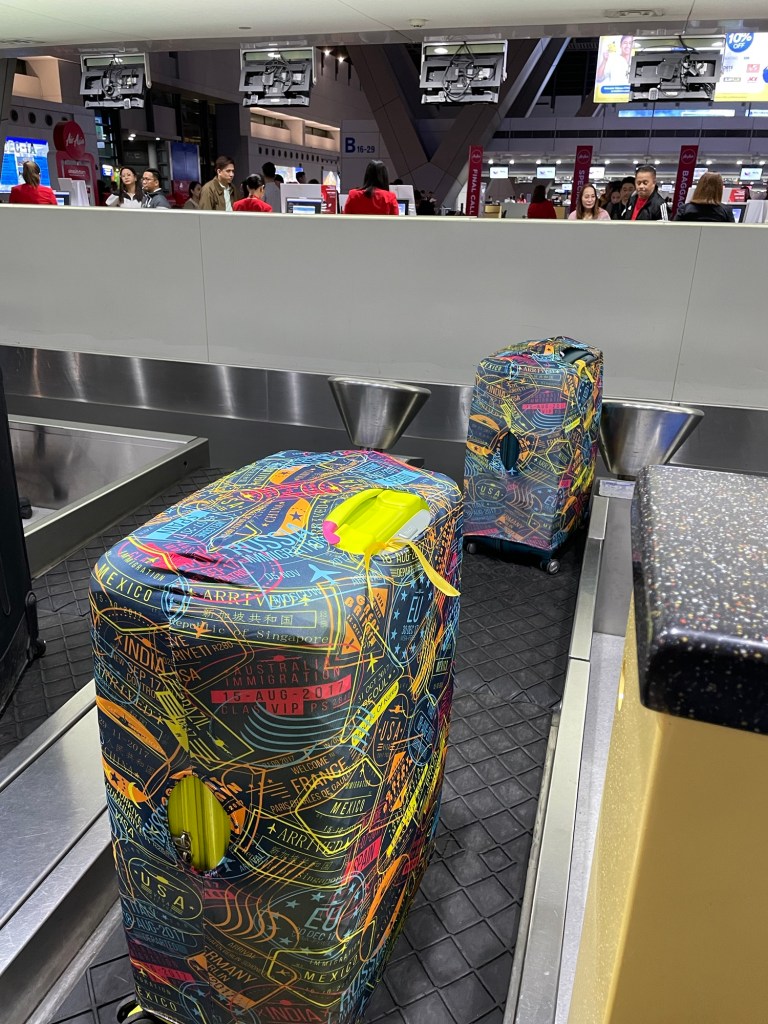
Apart from the paper trail, leaving a country means dividing families, friendships, and professional relationships through space and time. It is a unique ending such that those left behind are bound to feel like they’re losing someone they love but not quite, and it’s balanced with the unsaid promise that this person will find their way back home (or in the case of majority of Filipino families, that maybe someday the family can also come to this bountiful, promising, strange land to reunite).
Upon arriving, the struggle with redefining what constitutes a home becomes front-and-center. The search begins for a nice place to settle down — possibly for a few months to a few years — to get this new life started once and for all. Many things (including names, products, languages, jobs, and the general stuff of life) that they are accustomed to in the old country is suddenly not available in this new place, so the hunt for good-enough alternatives ensue. The thrift store becomes a safe place to land, until the family gets back on its stable financial footing.
Like a ship lost at sea, the lack of belonging is like not finding where the course started but also not knowing yet where it leads. The suffering of floating in the waves, waiting for rescue, grasping for shore is one that immigrants will find to be excruciating in the beginning.
From this headspace, we rebuild.
On the outside, it may seem like they are starting from scratch or that their inexperience in this new country would be a disadvantage. Perhaps this is true in the beginning, but I would argue that the persistence to start again in a strange, new world (oftentimes unnecessary and voluntarily done with excitement and impatience) is in itself a manifestation of the stubborn human hope for a better future: one that can be created, crafted, and made with hard work.
Immigrants do not come with a fresh, clean slate, even if they would like to believe the case is true. They carry in their pockets a form of wisdom passed through generations in conversation and history. They are informed by experience.
This may be how they will find their own way, given enough resources and opportunities. In this sense, they are truly not left on their own.
Even when they leave.
 Marielle Ignacio DeTorres
Leave a comment